
Cabo Verde
Santiago
Cape Verde's cultural heart and historic capital
Santiago — overview
Santiago is the largest and most populated island in Cape Verde, and the cultural and political heart of the country. Praia, the capital, sits on a high plateau overlooking the Atlantic and offers lively markets (Sucupira), colonial architecture and the best live music bars in the archipelago. Just up the coast, Cidade Velha — the first European city built in the tropics — is a UNESCO World Heritage site. The interior is green and mountainous, with the Serra da Malagueta and the black-sand beaches of Tarrafal in the north. Santiago is where you will hear Creole at its most authentic and taste the richest African-Portuguese cuisine.
Highlights
- Cidade Velha UNESCO site and its 15th-century fort
- Praia: Sucupira market, Plateau and waterfront
- Tarrafal black-sand beach and fishing village
- Serra da Malagueta hiking trails
- Assomada market and Rabelados village
Where to stay in Santiago
View all →
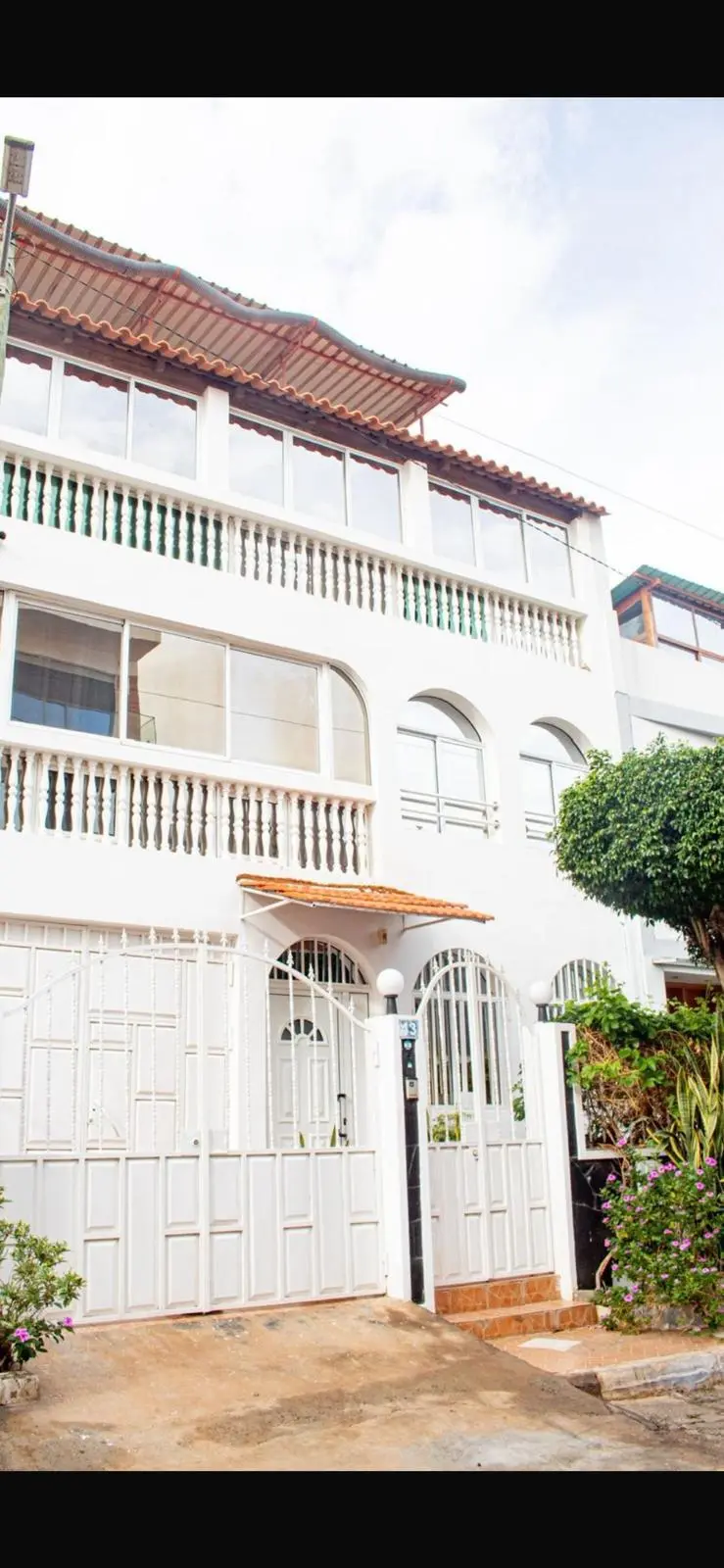
Villa à Palmarejo — 300 m², vue panoramique sur Praia
Praia, Santiago
14 300 CVE/day
Direct booking

Suite Royal
Praia, Santiago
9 924 CVE/day
Direct booking

Hotel Limeira
Cidade Velha, Santiago
Price on request

Palmira House
Cidade Velha, Santiago
Price on request

Pousada Quinta da Ribeirinha
Cidade Velha, Santiago
Price on request

Hotel Pôr de Sol
Cidade Velha, Santiago
Price on request
Where to eat in Santiago
View all →
Restaurante 24h
Praia, Santiago

Restaurante Pó d’Terra
Praia, Santiago

Rota de Seda Chinese
Praia, Santiago

Poial Lounge
Assomada, Santiago

Super Pizza
Praia, Santiago

Grace Tacos & Tequilas
Praia, Santiago
Car rental in Santiago
View all →
Seat Leon
Praia, Santiago
5 513 CVE/day
Direct booking

Kia Carnival
Praia, Santiago
Proposé par Simplycar
4.6(170)18 000 CVE/day
*indicative price

Peugeot 3008
Praia, Santiago
Proposé par Simplycar
4.6(170)8 900 CVE/day
*indicative price

Toyota RAV4
Praia, Santiago
Proposé par Simplycar
4.6(170)7 900 CVE/day
*indicative price

Peugeot Landtrek Business
Praia, Santiago
Proposé par Simplycar
4.6(170)7 900 CVE/day
*indicative price

BUICK ENCORE
Praia, Santiago
Proposé par Simplycar
4.6(170)7 900 CVE/day
*indicative price
Frequently asked questions
Is Santiago worth visiting?▾
Yes, especially if you want culture and history. Pair it with Sal or Santo Antão for beach or hiking, and plan 3–4 days minimum.
Is Praia safe for tourists?▾
Praia is generally safe for visitors who follow normal city precautions. Avoid isolated areas at night and keep valuables out of sight.